Planning Session
— ISSUE 04 · PACING


Why the energy after the ceremony decides the rest of the night.


A nine-minute window most couples accidentally lose — and a quiet structural fix that changes the entire evening.

Wedding Planning 8 Min Read
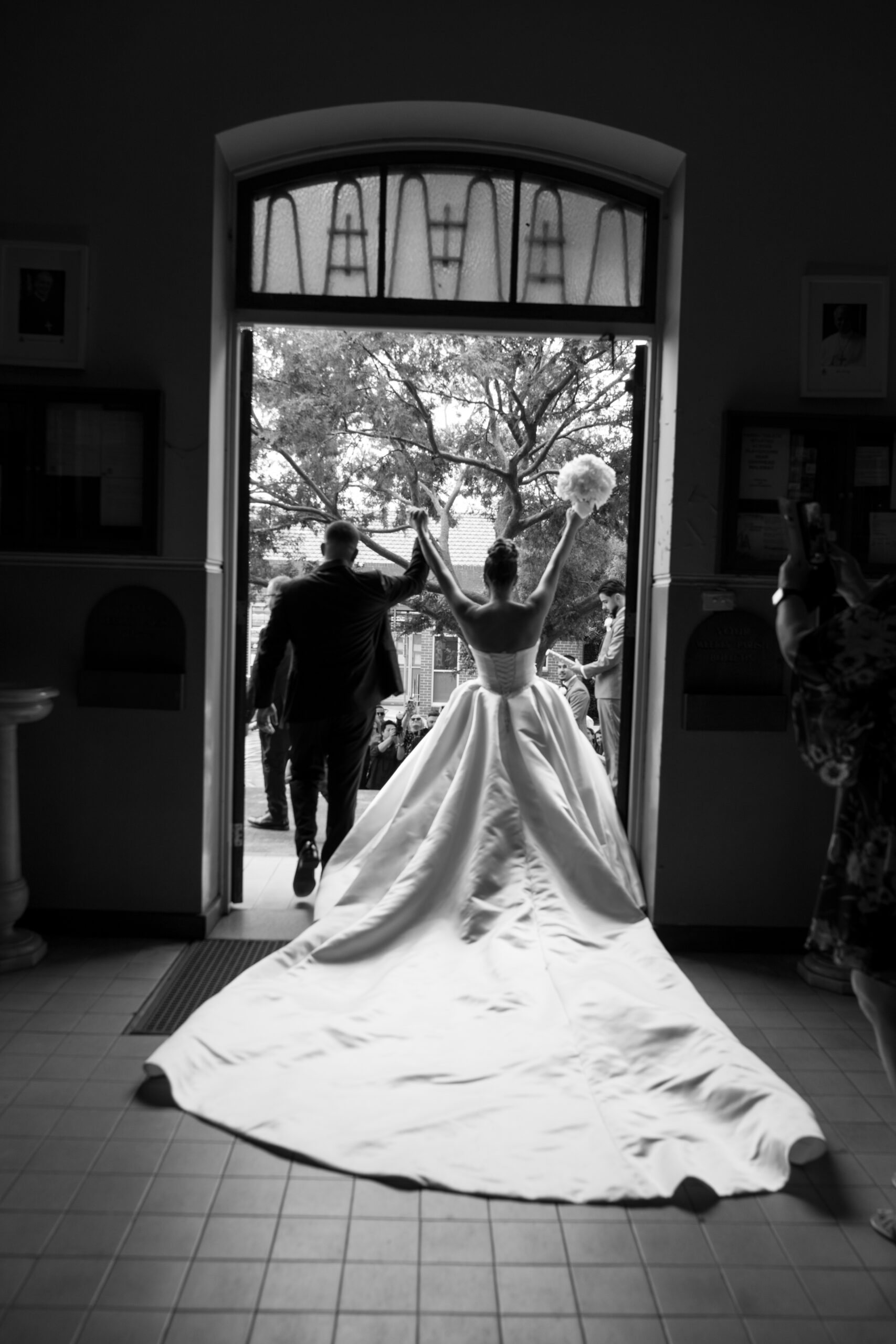
There’s a moment after almost every ceremony where the entire wedding quietly changes direction.

Most couples don’t realise it’s happening.

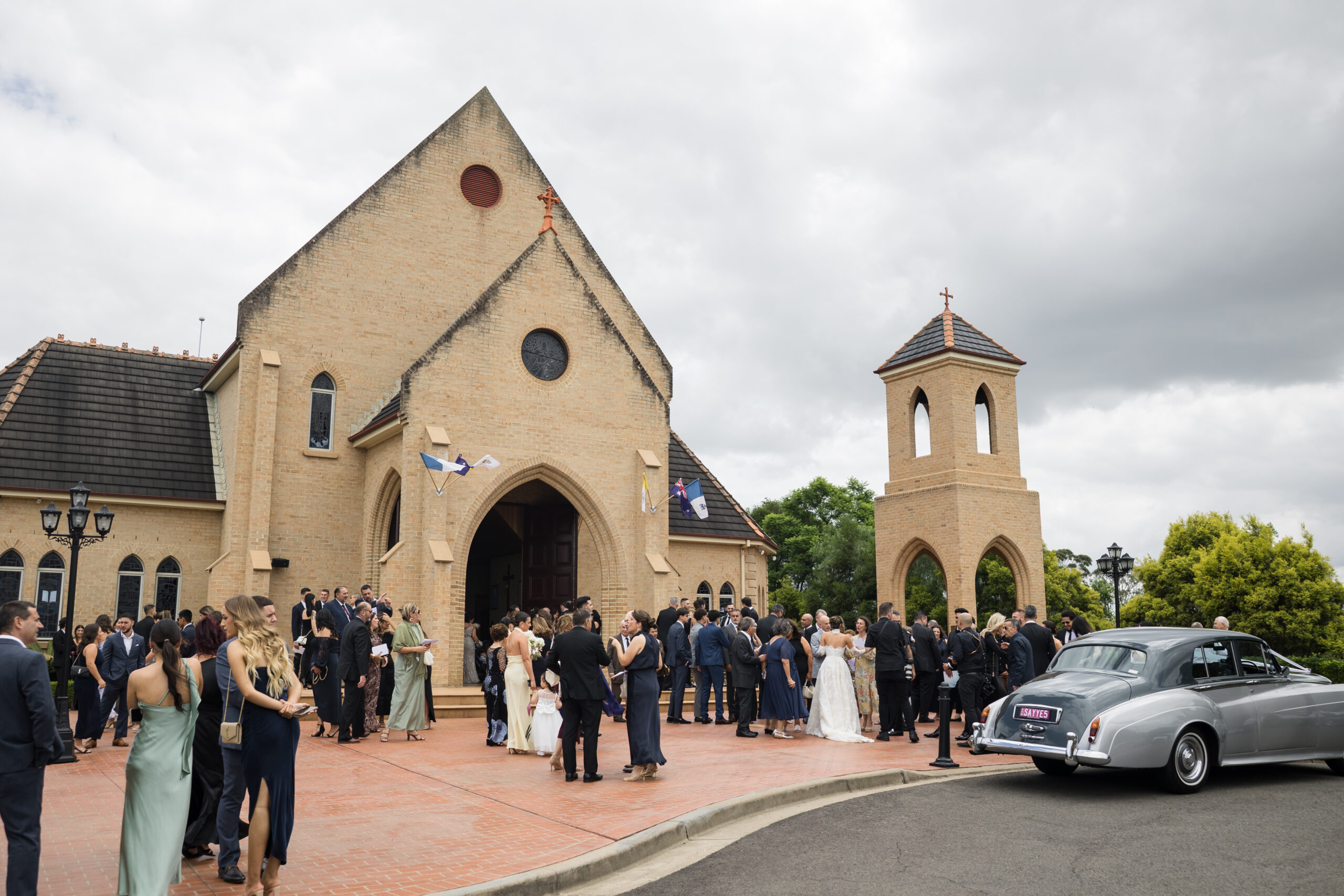
The ceremony ends. Everyone cheers. Hugs begin. Guests crowd the aisle. Family members start pulling you in different directions. Drinks are being served. The bridal party wants photos. The MC starts asking timing questions. Someone disappears to move cars. Another relative wants “just one quick photo.”

And within ten minutes, the emotional rhythm of the entire wedding either lifts… or starts to collapse.

At CineMotive, this is one of the biggest turning points we watch across wedding days. Not because of photography. Not because of video. Because this small transition period controls the emotional pacing of the night that follows.

The atmosphere of a wedding is cumulative.

Most couples plan the ceremony itself in detail. Very few plan the energy immediately after it.

But that’s the part guests remember subconsciously.

It’s where stress starts showing up on faces. It’s where timelines begin drifting. It’s where sunset suddenly becomes rushed. And it’s often where couples unintentionally lose the calm feeling they imagined their wedding having.
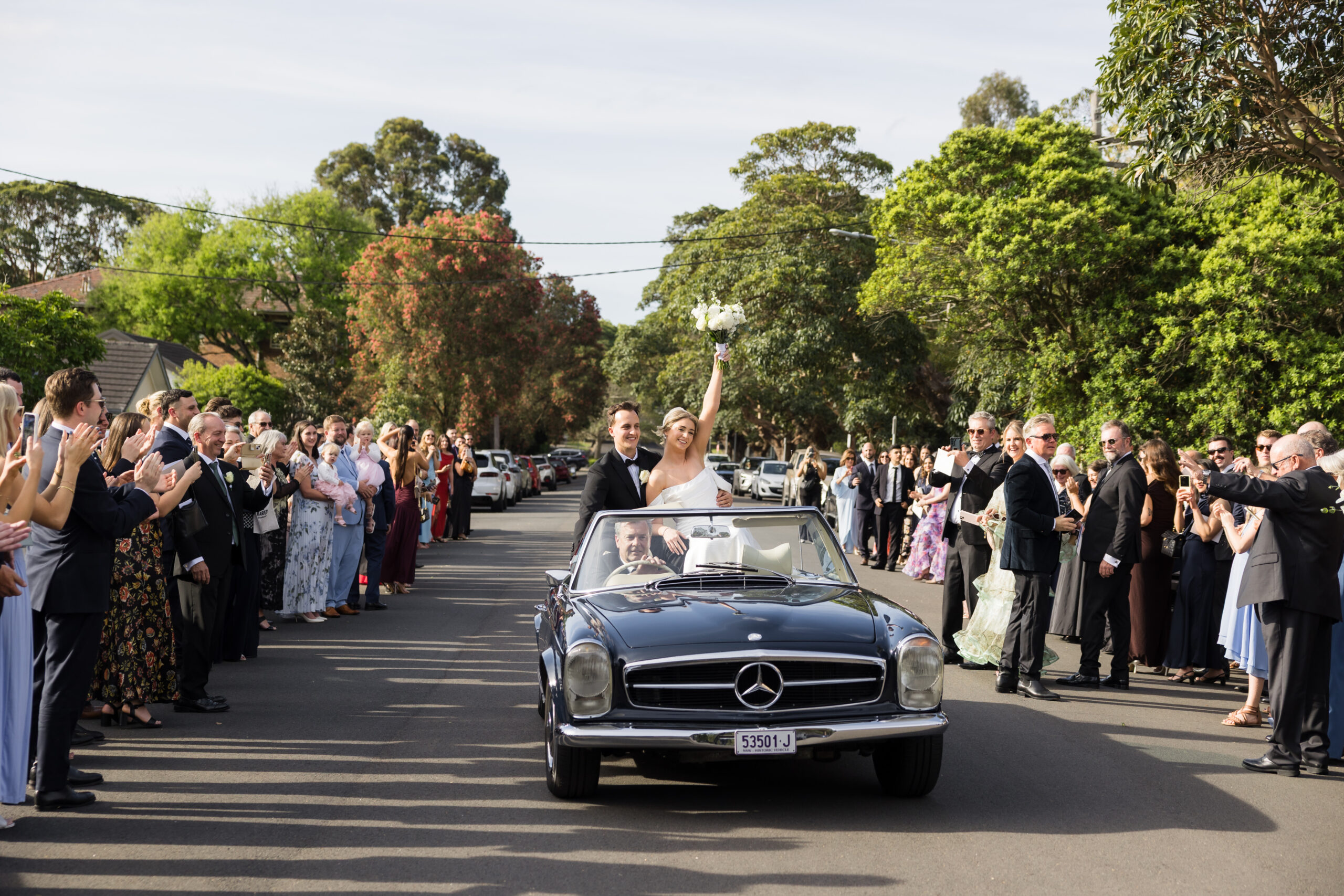
Small moments. Big shift.

The problem rarely comes from one major delay. It usually comes from tiny structural issues stacking together — each one quietly changing the emotional temperature of the day.

01

Receiving lines

Beautiful in feeling, but often much longer than couples expect once every guest wants a personal moment.

02

Family congestion

When everyone gathers without structure, the energy quickly shifts from emotional to chaotic.

03

Guest drift

Guests begin moving without direction, making it harder to regroup people cleanly for the next part of the day.

04

Sunset compression

The delay might only be ten minutes, but that can be the difference between calm light and rushed portraits.

05

Emotional fatigue

When transitions feel messy, couples often carry that tension into the reception without realising it.

Wedding ceremony exit moment
The Shift

It is not just about running late.

One of the biggest misconceptions in weddings is that “more time later” fixes early delays. It usually doesn’t.

Because once the emotional rhythm drops, it becomes difficult to rebuild naturally. You can feel it in the reception atmosphere. You can see it in the way guests interact. Even dance floors are affected by it.

Wedding family flow after ceremony
The Fix

The solution is usually structural.

Sometimes the fix is incredibly small. Moving family photos to the reception instead of immediately after the ceremony. Creating a deliberate private moment for the couple. Adjusting congratulations timing. Protecting sunset before it disappears.

Tiny decisions. Massive difference.

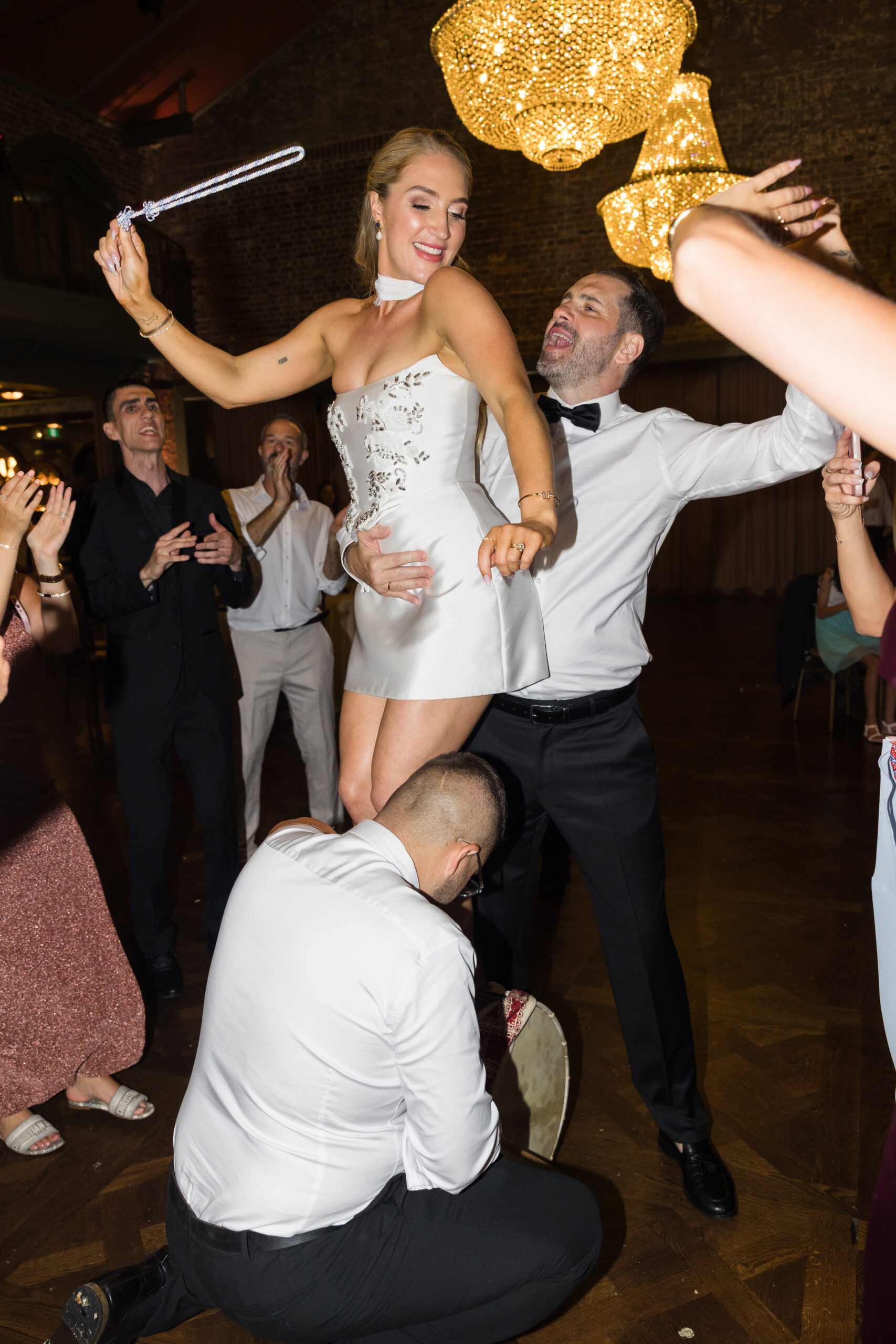
Wedding reception atmosphere
The Payoff

Effortless rarely happens by accident.

The weddings that feel the most effortless are usually the ones where the invisible transitions were protected carefully beforehand.

Good pacing doesn’t feel “planned.” It simply allows the day to breathe naturally.

Planning with CineMotive
The emotional flow of a wedding is rarely accidental.

Planning a wedding isn’t just about timings. It’s about understanding how the day actually feels while it’s unfolding.

Our planning sessions are designed to help couples shape the flow, pacing, atmosphere, and transitions of the day long before the cameras come out.

Because the weddings that feel calm, cinematic, emotional, and effortless are usually the ones where the invisible parts were planned properly first.

Book a planning session
Scroll to Top
Review Your Cart
0
Add Coupon Code
Subtotal